

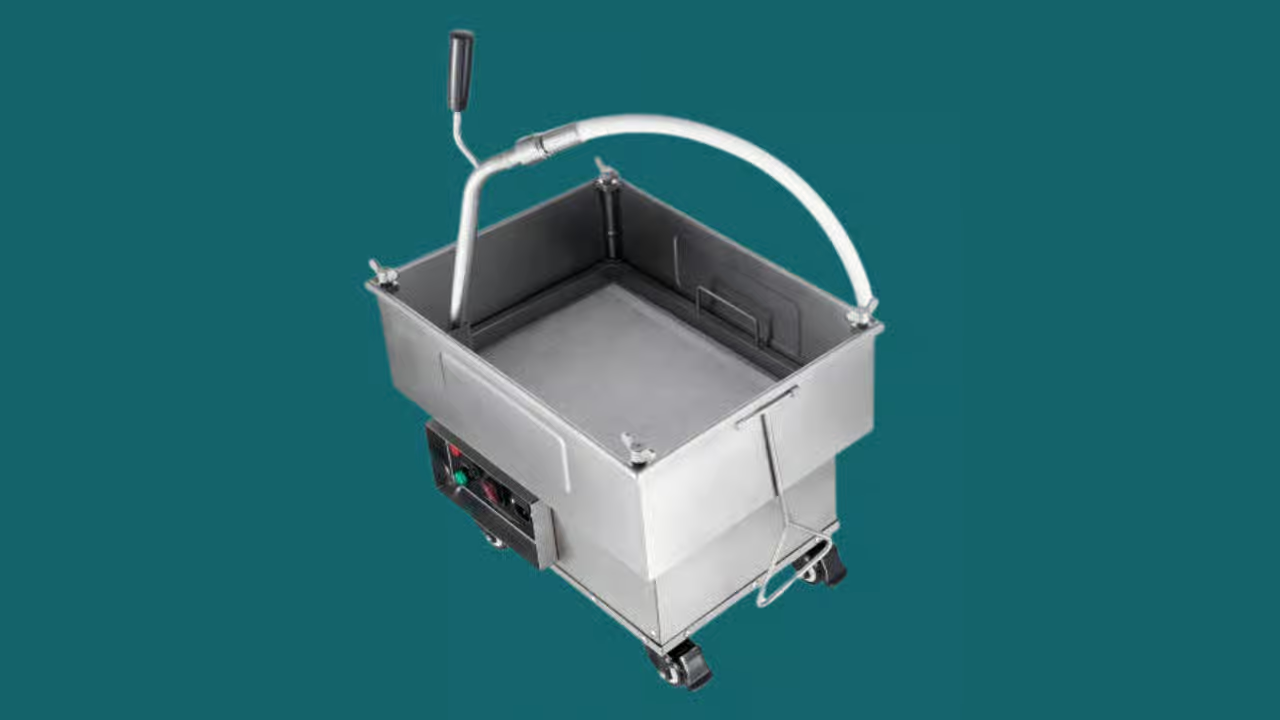
In the fast-paced world of modern gastronomy, efficiency and quality are paramount. Restaurants strive to deliver exceptional culinary experiences while maintaining operational excellence. One critical aspect of this endeavor is the management of frying oil, a cornerstone in many kitchens. The integration of advanced restaurant oil filtration equipment with modern fryers has revolutionized how establishments manage their frying processes, leading to improved performance and enhanced food quality.
Modern fryers equipped with sophisticated oil filtration systems have become indispensable assets in contemporary kitchens. These advanced systems work by continuously filtering out food particles and impurities from the oil during cooking operations. This process not only extends the life of the cooking oil but also ensures that it remains clean and free from contaminants that could degrade its quality over time.
The benefits of using restaurant oil filtration equipment extend beyond mere cost savings on oil purchases. By maintaining cleaner oil, restaurants can produce consistently high-quality fried foods that meet customer expectations for taste and texture. Cleaner oil results in crisper coatings on fried items, enhancing their visual appeal and overall flavor profile. This consistency in product quality is crucial for building a loyal customer base in an industry where first impressions often determine repeat business.
Moreover, efficient oil filtration contributes significantly to kitchen safety and hygiene standards. Regularly filtered oil reduces the risk of harmful compounds forming during prolonged heating cycles, thus minimizing potential health hazards associated with degraded oils. Additionally, cleaner working environments result from reduced smoke production and fewer odors emanating from fryers operating with well-maintained oils.
Operational efficiency is another significant advantage gained through integrating modern fryers with restaurant-grade filtration systems. With these technologies in place, kitchen staff spend less time changing or disposing of used oils manually—a task that can be labor-intensive and disruptive to workflow—allowing them instead to focus on other essential duties such as food preparation and service delivery.
Furthermore, sustainable practices are increasingly becoming a priority for many dining establishments aiming to reduce their environmental footprint while appealing to eco-conscious consumers. Advanced filtration technology supports these efforts by decreasing waste generation; less frequent disposal means fewer resources consumed overall—a win-win situation for both businesses looking after their bottom line as well as those committed towards greener initiatives within hospitality sectors worldwide.
In conclusion, integrating state-of-the-art restaurant oil filtration equipment into modern fryer setups offers multifaceted advantages ranging from improved product quality through enhanced operational efficiencies upholding stringent safety standards alongside fostering environmentally responsible practices—all contributing factors ensuring success amidst competitive culinary landscapes today!